
Верхотурье. Столица нынешней Свердловской области (в средние века), крупнейший торговый центр, через который проходила "Бабиновская дорога", соединявшая Европейскую часть России с Сибирью. Город с единственным в регионе Кремлем. Самый населенный уезд на Урале.
В наши дни - один из самых малонаселенных городов России. Без какого-то либо производства. Но при этом- "Духовная столица Урала и Сибири", один из крупнейших туристических объектов региона.
Для управления обширным уральским регионом, являвшимся , помимо прочего, плацдармом для освоения Сибири, требовались высокопрофессиональные руководители.
Люди, умевшие не только воевать, но и строить.
Торговать. Хозяйствовать. Радеть за интересы государства.
О них и рассказывается в этом цикле.
О верхотурских воеводах...
Годуновы, Нарышкины, Пушкины, Барятинские, Плещеевы, Пожарские, Гагарины,Толстые, Хитрово, Вяземеские, Милославские, Лопухины.
Какие фамилии. Сама история России. И Верхотурье, как часть её.
"Приезд воеводы". Работа С.В. Иванова
До сегодняшнего дня мы имели только общий обзор основных периодов истории Верхотурья в книге П. А. Корчагина «История Верхотурья (1598–1926)» , посвященной закономерностям социально- экономического развития и складыванию архитектурно-исторической среды города (книга П. А. Корчагина переиздана в 2012 году по инициативе Верхотурского музея-заповедника), список воевод в книге Е. В. Вершинина «Воеводское управление в Сибири XVII века» , а так же разбросанные в различных изданиях упоминания о верхотурских воеводах в связи с теми или иными сторонами их деятельности.
Достаточно многочисленная переписка между Москвой и Верхтурьем отражена в «Актах исторических», собранных и изданных Археографической комиссией , в сборнике «Верхотурские грамоты конца XVI–начала XVII века», в приложениях к труду Г. Ф. Миллера «История Сибири» .
Сопоставление грамот и имеющихся данных о воеводах показывает ряд нестыковок и противоречий. Возможно, это связано с особенностями летоисчисления (до 1700 года летоисчисление велось от сотворения мира, а год начинался с 1 сентября), с расхождением между датами о назначении воевод и реальным их вступлением в должность .
Грамоты из Москвы на Верхотурье шли от одного до двух месяцев. Были воеводы, направленные на Верхотурье и остановленные в силу разных причин по дороге (известны, как минимум, двое). В самом полном списке воевод Е. В. Вершинина нет, например, Ф. Сомова, а царские грамоты с его упоминанием есть… Вопросы остаются и требуют уточнений.
Грамота царя Фёдора Иоановича в Пермь Великую Василию Головину и Ивану Воейкову о построении города на реке Туре , на городище Неромкуре. 12 октября 1597 г. Из экспозиции Верхотурского государственного историко-архитектурного музея-заповедника / Letter from Tsar Fyodor Ioanovich to Perm the Great Vasily Golovin and Ivan Voeikov about the construction of a city on the Tura River, on the site of Neromkure. October 12, 1597 From the exposition of the Verkhoturye State Historical and Architectural Museum-Reserv
Продолжение следует
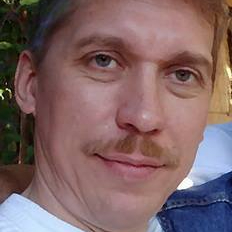
На фото мой брат, директор Верхотурского государственного историко-архитектурного музея - заповедника (ВГИАМЗ) в костюме воеводы 17 -го века / In the photo is my brother, director of the Verkhoturye State Historical and Architectural Museum - Reserve (VGIAMZ) in the costume of a 17th century governor
По вопросам взаимодействия с музеем и о заявках на он-лайн экскурсии обращайтесь к полномочному представителю ВГИАМЗ в СМИ , шеф-редактору сообщества Истфак Никалаичу @nikalaich (И. Н. Новиченков) Адрес в Телеграм : @nikalaichistfak . Почта: [email protected]
Verkhoturye. The capital of the current Sverdlovsk region (in the Middle Ages), the largest shopping center through which the Babinovskaya Road passed, connecting the European part of Russia with Siberia. The city with the only Kremlin in the region. The most populated district in the Urals.
Today it is one of the most sparsely populated cities in Russia. Without any production. But at the same time, it is the “Spiritual Capital of the Urals and Siberia”, one of the largest tourist sites in the region.
To manage the vast Ural region, which was, among other things, a springboard for the development of Siberia, highly professional leaders were required. People who knew how not only to fight, but also to build. Trade. To manage. Look after the interests of the state. They are discussed in this series. About the Verkhoturye governors...
Godunovs, Naryshkins, Pushkins, Baryatinskys, Pleshcheevs, Pozharskys, Gagarins, Tolstoys, Khitrovo, Vyazemeskys, Miloslavskys, Lopukhins.
What names? The history of Russia itself. And Verkhoturye, as part of it
Until today, we only had a general overview of the main periods of the history of Verkhoturye in the book by P. A. Korchagin “History of Verkhoturye (1598–1926)”, dedicated to the patterns of socio-economic development and the formation of the architectural and historical environment of the city (P. A. Korchagin’s book has been republished in 2012 on the initiative of the Verkhoturye Museum-Reserve), a list of voivodes in the book by E.V. Vershinin “Vivodeship Administration in Siberia of the 17th Century”, as well as references to Verkhoturye voivodes scattered in various publications in connection with certain aspects of their activities.
Quite a large correspondence between Moscow and Verkhoturye is reflected in the “Historical Acts” collected and published by the Archaeographical Commission, in the collection “Verkhoturye Charters of the late 16th – early 17th centuries”, in the appendices to G. F. Miller’s work “History of Siberia”.
A comparison of the letters and available data on the governors shows a number of inconsistencies and contradictions. Perhaps this is due to the peculiarities of chronology (until 1700, chronology was carried out from the creation of the world, and the year began on September 1), with a discrepancy between the dates of the appointment of governors and their actual assumption of office.
Letters from Moscow to Verkhoturye took from one to two months. There were governors sent to Verkhoturye and stopped for various reasons along the way (at least two are known). In the most complete list of governor E.V. Vershinin there is no, for example, F. Somov, but there are royal letters with his mention... Questions remain and require clarification.
Letter from Tsar Fyodor Ioanovich to Perm the Great Vasily Golovin and Ivan Voeikov about the construction of a city on the Tura River, on the site of Neromkure. October 12, 1597 From the exposition of the Verkhoturye State Historical and Architectural Museum-Reserve
To be continued
Comments