
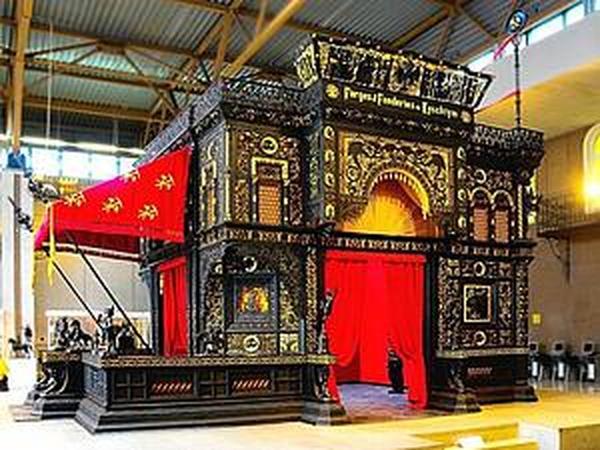
Чугунный павильон был создан для Всемирной выставки в Париже 1900 года ,на которой произвел настоящий фурор и получил Гран-при в номинации «металлические изделия».
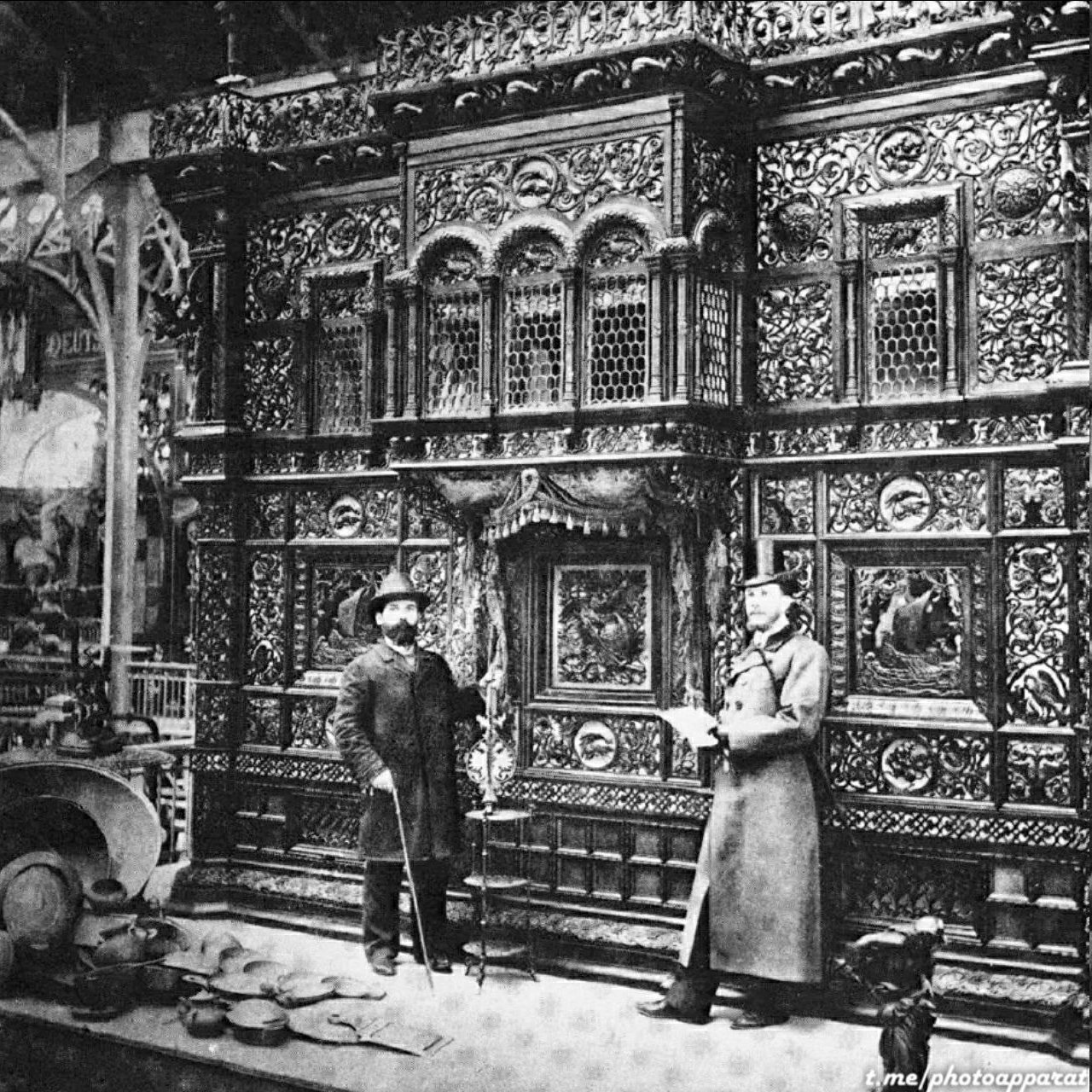
И это в Париже,где входом на Всемирную выставку в 1889 года служила Эйфелева башня.
Павильон был представлен в качестве выставочной витрины заводов Кыштымского горного округа, в состав которых тогда входил Каслинский чугунолитейный завод, проект архитектора из Санкт-Петербурга Евгения Евгеньевича Баумгартена.
На изготовления павильона ушло два года работы лучших уральских мастеров.Конструкция состоит более чем из 1500 чугунных деталей и является разборной.
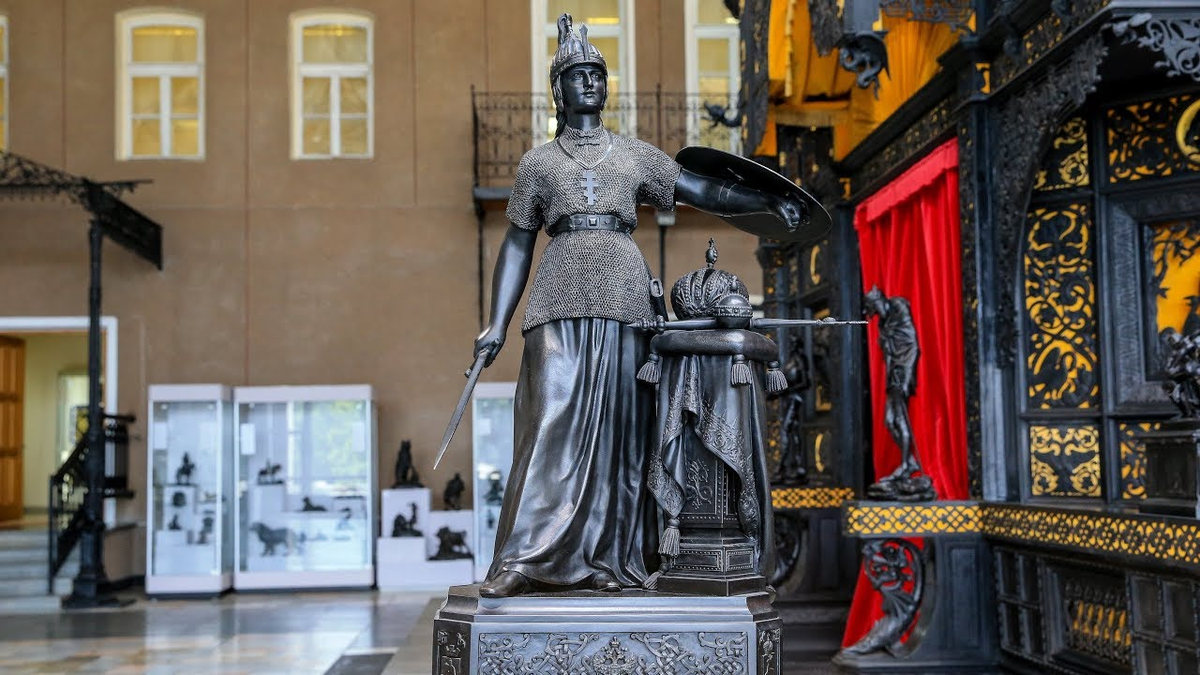
На выставке павильон был представлен вместе с чугунной скульптурой «Россия» Николая Акимовича Лаверецкого,женщина-воин,защитница Земли Русской.
Было много желающих приобрести павильон вместе со скульптурой,на что им было отвечено: "Россия не продается".
В итоге павильон вернулся на Урал,где, после череды мытарств ,связаных с лихолетьем,был передан в Свердловскую картинную галерею ( ныне Екатеринбургский музей изобразительных искусств),где и представлен в постоянной экспозиции.
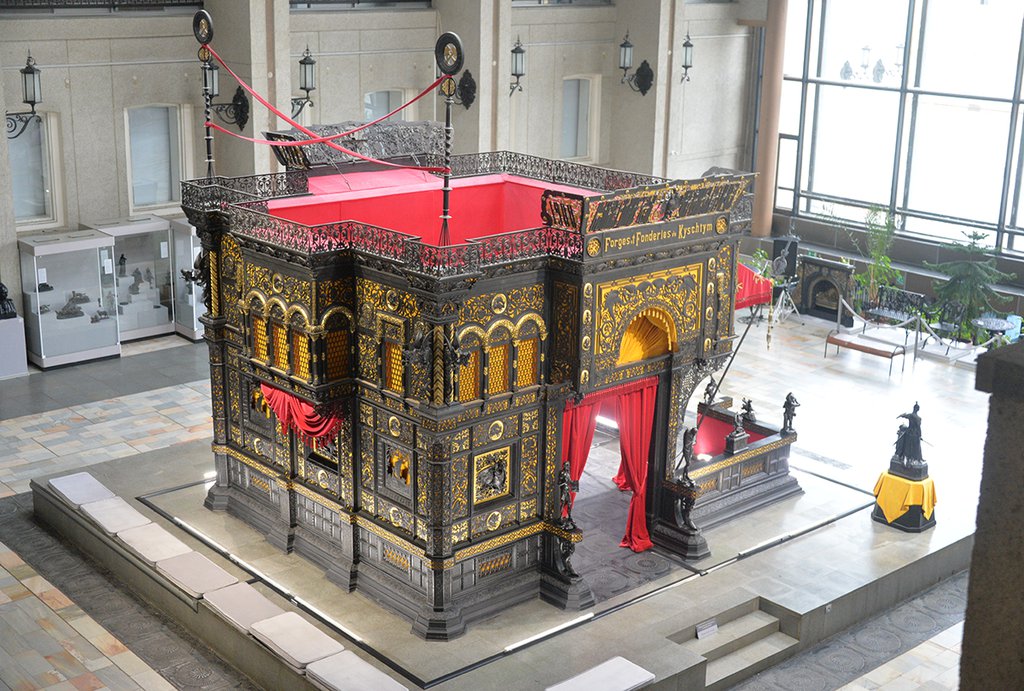
Впервые я увидел павильон лет в 5.
Мои родители ,несмотря на рабоче-крестьянское происхождение, были хорошо образованы и интеллигенты ,мы семьей посещали все значимые культурные события в городе:выставки,гастроли столичных артистов,театральные премьеры.
Мне порой кажется,что я видел всё и всех в те годы.
Павильон вызвал у меня культурный шок.
Я сразу влюбился в это творение.
Он совершенно нереальный,до мистицизма.
Я ходил на него смотреть в течении жизни наверное столько же раз,сколько смотрел фильм "Андрей Рублев".
И испытывал такие же чувства,как на пятнадцати последних минутах фильма ,когда идет детальный показ "Троицы".
Это что то неземное,не верится,что творение рук человеческих.
Можно разглядывать детали бесконечною.
И всё равно не понимать-"Как?".
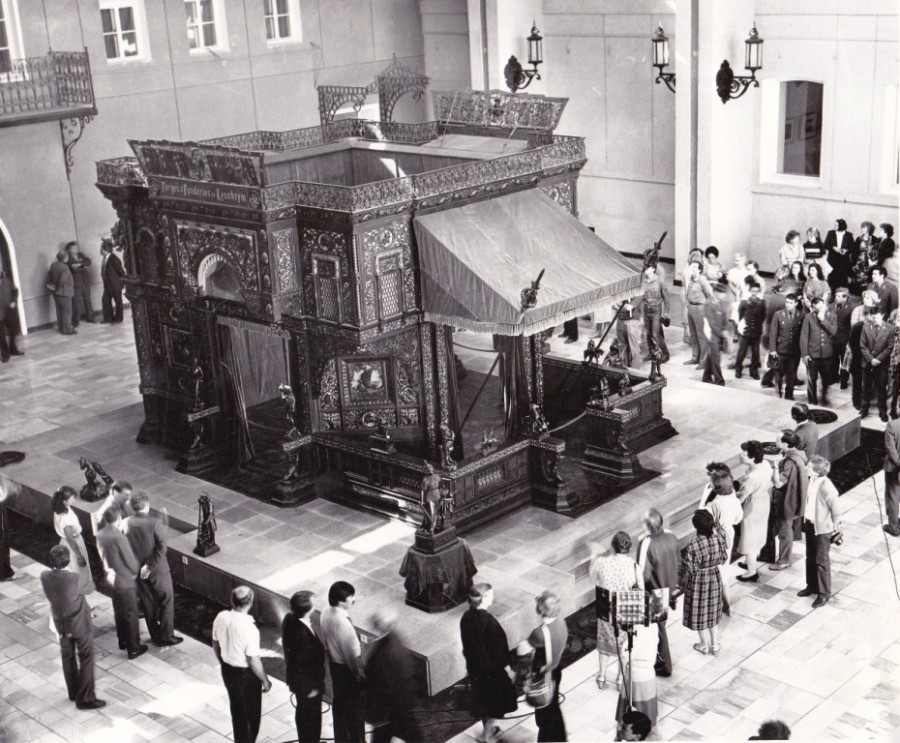
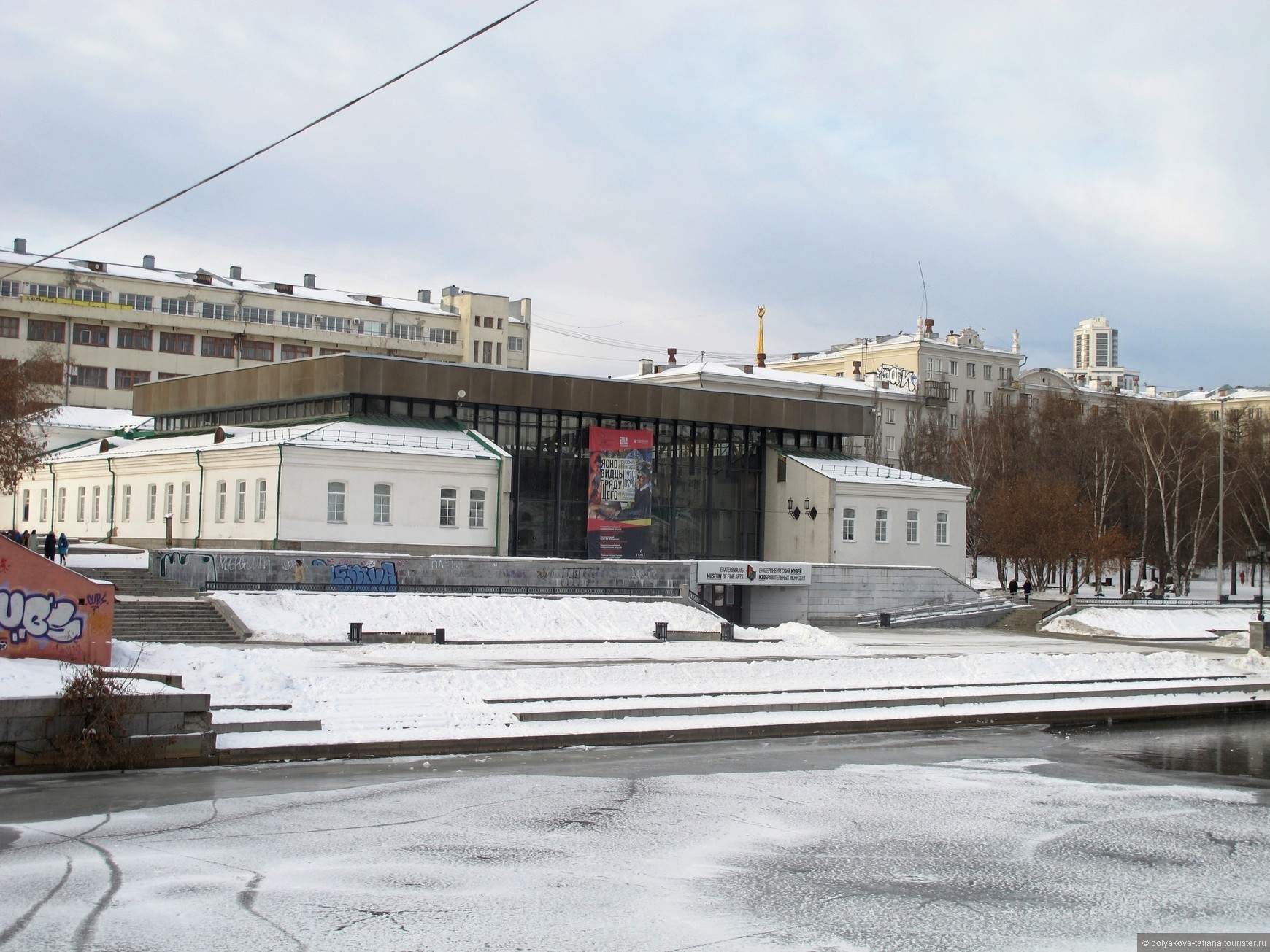
Если будете в Екатеринбурге,даже проездом,обязательно загляните в Екатеринбургский музей изобразительных искусств.Он находится в самом центре города,на Плотинке.
Со временем я вырос(в том числе и в физическом плане).
Павильон мне с моим 190 см. роста перестал казаться "Волшебным Замком",скорее стал похож на игрушечный домик.Но...
Вот на снимке за Музеем здание с антеннами на крыше.В советские времена здесь размещалась радиошкола ДОСААФ.
За полгода обучения в ней я ,пользуясь соседством,сходил к павильону раз 20-30.
В годы учебы на историческом факультете Уральского Государственного Университета,договорившись по линии "музейного дела", я водил туда экскурсии студентов и рассказывал о своём любимом "Павильоне".
Наверное я больной.Такой же,как автофанаты,влюбленные в лучшие модели автомобилей.И это прекрасно.Сходить с ума по прекрасному.Чего и вам желаю...
The cast-iron pavilion was created for the World Exhibition in Paris in 1900, at which it created a real sensation and received the Grand Prix in the “metal products” category.
And this is in Paris, where the Eiffel Tower served as the entrance to the World Exhibition in 1889.
The pavilion was presented as an exhibition showcase for the factories of the Kyshtym Mining District, which then included the Kasli Iron Foundry, designed by an architect from St. Petersburg, Evgeniy Evgenievich Baumgarten.
The production of the pavilion took two years of work by the best Ural craftsmen. The structure consists of more than 1,500 cast iron parts and is collapsible.
At the exhibition, the pavilion was presented together with the cast-iron sculpture “Russia” by Nikolai Akimovich Laveretsky, a female warrior, defender of the Russian Land.
There were many who wanted to purchase the pavilion along with the sculpture, to which they were told: “Russia is not for sale.”
As a result, the pavilion returned to the Urals, where, after a series of ordeals associated with hard times, it was transferred to the Sverdlovsk Art Gallery (now the Yekaterinburg Museum of Fine Arts), where it is presented in permanent exhibition.
I first saw the pavilion when I was 5 years old.
My parents, despite their worker-peasant origins, are well educated and intellectuals; our family attended all the significant cultural events in the city: exhibitions, tours of capital artists, theater premieres.
Sometimes it seems to me that I saw everything and everyone in those years.
The pavilion gave me a culture shock.
I immediately fell in love with this creation.
It is completely unreal, almost mystical.
I went to see it during my life probably as many times as I watched the film “Andrei Rublev”.
And I experienced the same feelings as in the last fifteen minutes of the film, when there is a detailed showing of “Trinity”.
This is something unearthly, I can’t believe it’s the creation of human hands.
You can look at the details endlessly.
And still don’t understand - “How?”
If you are in Yekaterinburg, even just passing through, be sure to check out the Yekaterinburg Museum of Fine Arts. It is located in the very center of the city, on Plotinka.
Over time, I grew up (including physically).
The pavilion, with my 190 cm height, no longer seemed like a “Magic Castle”, but rather became like a toy house. But...
Here in the picture behind the Museum is a building with antennas on the roof. In Soviet times, the DOSAAF radio school was located here.
During the six months of studying there, I took advantage of the neighborhood and went to the pavilion 20-30 times.
During my years of study at the Faculty of History of the Ural State University, having agreed on the line of “museum affairs”, I took students there on excursions and talked about my favorite “Pavilion”.
I’m probably sick. Just like car fans, in love with the best car models. And that’s wonderful. Go crazy about beauty. I wish the same for you...

Comments